
How to be a more confident communicator
Article published on Future Women; Written by Theresa Miller

A media trainer's top tips for calming stage fright
An experienced lawyer once told me about an occasion when she was invited to speak on the radio. There was a case she’d been working on for months, and she was the most qualified person to comment on it. However, she wasn’t confident speaking live on air, so she declined the opportunity.
Instead, her junior male colleague jumped at the chance. When she tuned in to the interview, she was shocked to hear him covering up sizable gaps in his knowledge with vague statements and outright inaccuracies. Regardless, he sounded self-assured and unflappable. Back in the chambers, he was lauded as a hero.
In a world where women make up only 34 percent of expert sources quoted in news stories, we can only imagine how common situations like this may be. For subjects like sport and retail, that number is more than halved. Even in female-dominated sectors like health and education, it’s usually men who front the media.
Nerves aren’t the sole reason for this imbalance, but they are a factor – one we can directly address by learning to become more confident communicators.
Whether you’re speaking on a panel, pitching to clients, giving a team presentation or appearing in a media interview, here are some tips to get you started:
Stop thinking about yourself
Speaking publicly isn’t about serving your ego; it’s about offering your audience something valuable that only you can give. Your insights, expertise and lived experience can help people who need to hear your message.
Ask yourself: Who are you speaking to? What will solve their problems? How can you inspire and motivate them? When you shift the focus away from yourself, your anxiety tends to ease.
Prepare two or three key messages – and stick to them
When your mind goes blank, return to these central points. Use a simple structure to stay sharp and clear: Point → Reason → Example →So what or so why is this important?
For example:
Point: We should trial the four-day work week.
Reason: It would improve work-life balance, cut absenteeism and attract better employee talent. Example: Countries that have adopted it report maintained or increased productivity and stronger employee loyalty.
So what?: The time has come to trial the four-day work week and reap the benefits.
Rehearse
Only a lucky few can scribble some notes on a beer coaster and then nail a crowd-pleasing speech. Most of us need much more preparation.
Research, rehearse, rewrite, repeat. Film yourself practising a presentation and ask a trusted colleague for honest feedback on your body language, eye contact, gestures, voice and pace. Practise until you feel ready, then step up to the microphone, share your story and make an impact.
If you have answers to some of the pressing problems society faces, the world needs to hear from you — not a less qualified stand-in.
As Canadian author Margaret Atwood wrote: "A voice is a human gift; it should be cherished and used… powerlessness and silence go together."
Article published on Future Women

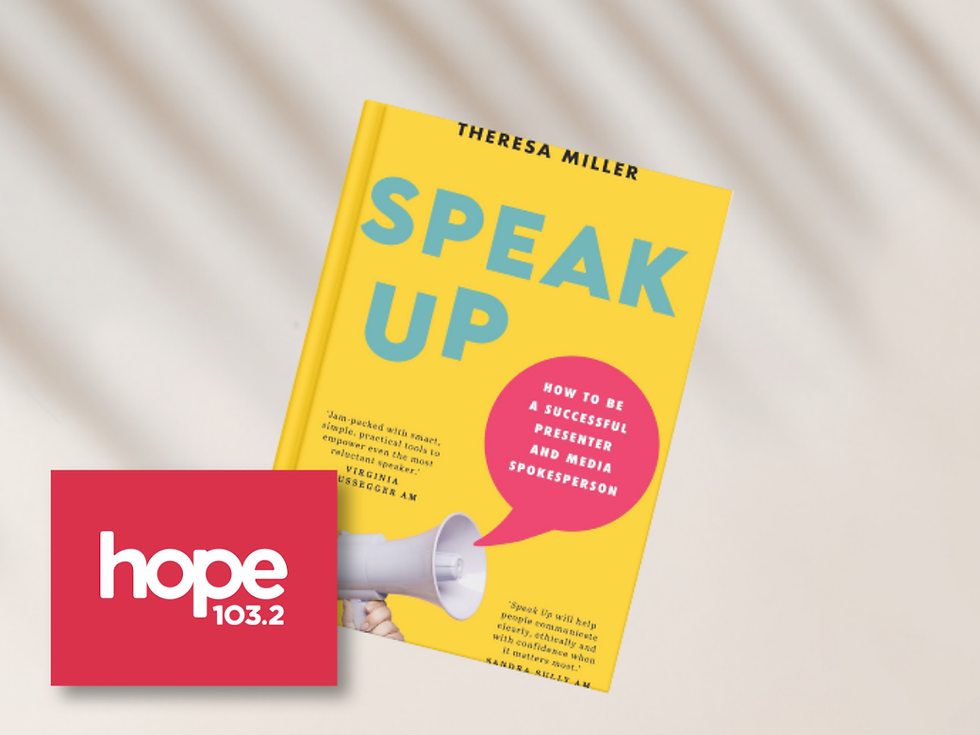
For an easy-to-use guide – read Speak Up – how to be a successful presenter and media spokesperson by Theresa Miller – published by New South Books.


Comments